Commercial valuation work lives on a clock. Lenders set commitment expiries, buyers write firm dates into agreements, and municipalities request reports on tight schedules. If you are planning a refinance, acquisition, or development in Brantford, knowing what to expect from commercial appraisal companies in Brantford, Ontario helps you set realistic targets and avoid expensive scrambling.
I have worked with commercial building appraisers in Brantford, Ontario long enough to recognize a pattern. When the scope is clear, the right documents are in hand, and there are no hidden surprises on site, the process runs smoothly. When any one of those pieces is missing, the timeline stretches and the final report can lose impact. The ideas below draw on that practical reality.
The Brantford context, and why it affects time
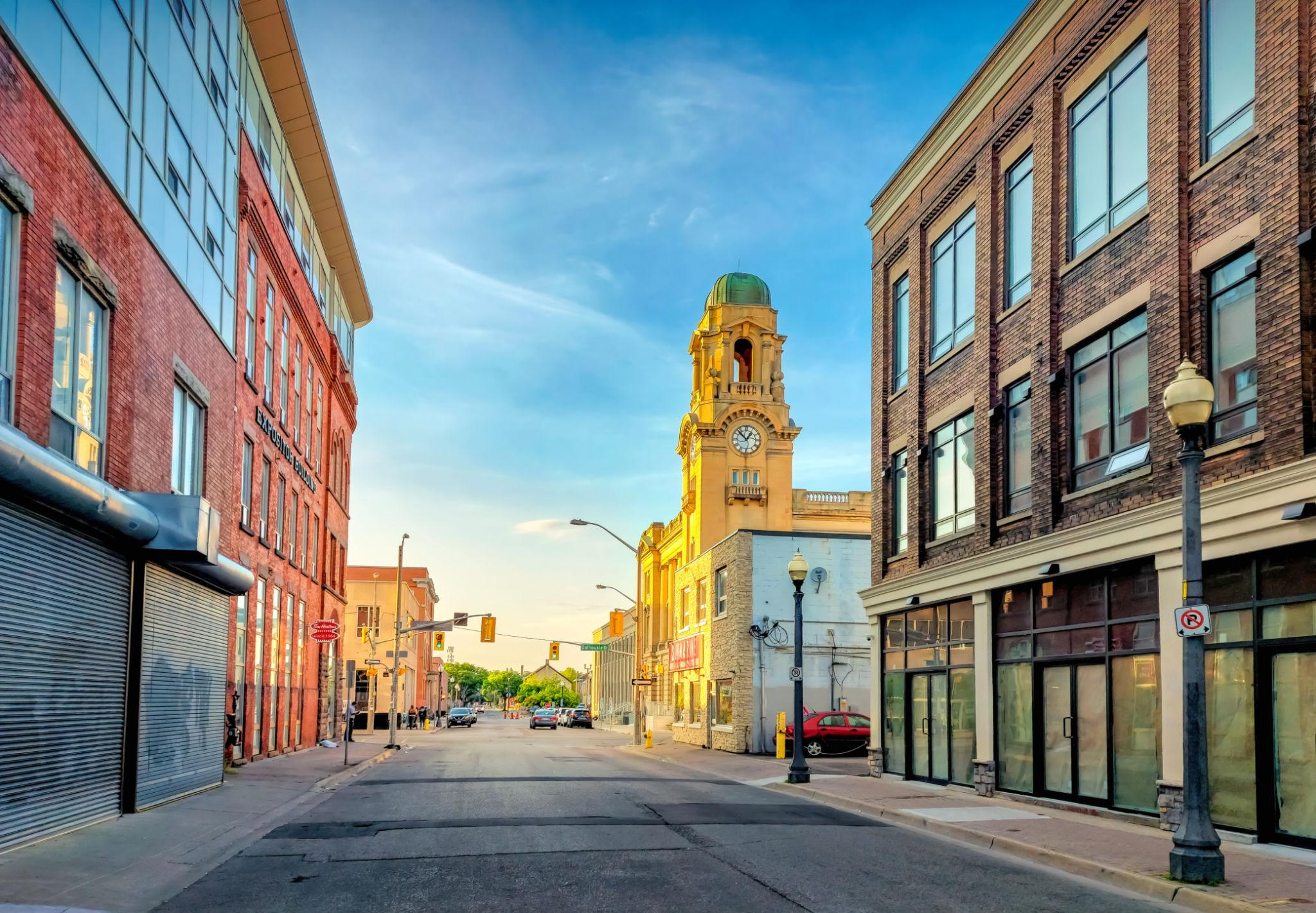
Brantford sits on the Grand River, with quick access to Highway 403, and a growing industrial and logistics footprint. Over the past decade, investors from Hamilton, Burlington, and the western GTA have pushed into the city hunting for yield. Vacancy in newer industrial bays has tended to be tighter than older stock, and small-bay users compete with e‑commerce spillover from the Hamilton port and the 401-403 corridor. On the office side, downtown buildings vary widely in condition and tenant quality. Retail strip plazas stable on paper can hide significant rollover risk within two to three years.
Those details matter. They determine how much market evidence an appraiser must collect, how many comparable sales are truly comparable, and how carefully the rent roll must be scrubbed. Land is another story. Commercial land appraisers in Brantford, Ontario often contend with legacy industrial uses, patchwork servicing, and planning files in flux. A change in zoning policy or a holding provision can add days to the research phase while the appraiser verifies paths to development and the likelihood of site plan approval.
What actually drives the schedule
Every appraisal firm has its internal cadence, but the same core drivers tend to dictate speed.
- Scope and report type. A desktop opinion under tight lender parameters can be turned around in a handful of business days. A full narrative report on a multi-tenant industrial asset can take three to five weeks, longer if there are specialty components, environmental concerns, or limited data. Information quality. If rent rolls, leases, and operating statements arrive complete and legible on day one, the analysis begins immediately. If they trickle in or contain gaps, the timeline slips. Property complexity. Mixed-use, hotel, car wash, cold storage, and older heavy industrial buildings often require additional verification, more nuanced highest and best use analysis, or specialized comparable sets. Access and cooperation. Tenants who refuse entry, property managers who need to reschedule, or sites covered in snow that hides conditions can add days or weeks. Third-party dependencies. Environmental reports, surveys, zoning verification letters, and building condition assessments are not always in the client’s control. Yet a reputable appraiser will not sign a report that ignores red flags in those documents.
In Brantford specifically, market depth is adequate but not endless. For a very unique asset, appraisers sometimes expand their search radius to include Hamilton, Cambridge, or Woodstock, which adds time to phone calls and verification.
A realistic timeline you can plan around
Expect a commercial building appraisal in Brantford, Ontario to run two to four weeks door to door for a standard income-producing property, beginning once the retainer, access, and core documents are in place. Larger or atypical assets can run four to eight weeks. Rush mandates do happen, but they come with trade-offs.
Here is the cadence that tends to hold up in the field:
- Day 0 to 2, engagement and intake. The client and the appraiser agree on scope and use. Fees and timelines are confirmed. The appraiser receives leases, operating statements, a rent roll, purchase agreement if applicable, site plan and survey if available, and any environmental or building reports on file. A preliminary market scan begins to assess data depth. Day 2 to 7, inspection and primary research. The inspection is scheduled, typically within three to five business days. The appraiser photographs the exterior and interior, confirms building systems and finishes, notes deferred maintenance, measures if needed, and interviews management. Concurrently, the appraiser obtains land registry details, checks zoning permissions, pulls assessment data, and starts building a pool of sales, listings, and rent comparables. Day 7 to 14, analysis. Income, direct comparison, and cost approaches are developed as appropriate. Adjustments are tested. Vacancy and expense assumptions are benchmarked against local evidence. If gaps or anomalies arise, the appraiser circles back for clarifications from management or third parties. Day 14 to 20, drafting and internal review. The narrative is drafted, maps and photos compiled, and valuation reconciled. A second appraiser or senior reviewer may perform a compliance and logic check consistent with Canadian Uniform Standards of Professional Appraisal Practice. Questions that surface here can send the file back for another round of verification. Day 15 to 25, delivery. A draft may be shared with the client for factual corrections, not value negotiation. The final report, signed and certified, is sent as a secure PDF to the intended user named in the engagement.
When a lender or court date imposes a hard deadline, the plan compresses. Inspection may be booked inside 48 hours, and analysis completed within a week. That speed raises the bar on document completeness. No appraiser can compress public record requests or third-party turnaround times beyond what those offices allow.
What you actually receive from the appraiser
The heart of the deliverable is a signed report that meets or exceeds the standards set by the Appraisal Institute of Canada and the Canadian Uniform Standards of Professional Appraisal Practice. For commercial property assessment work in Brantford, Ontario tied to lending, the report also needs to align with the lender’s program, sometimes with strict checklists. Expect the following components in a full narrative:
A clear statement of the intended use and intended user. A valuation conclusion is only valid for the defined purpose, whether that is first mortgage financing, expropriation support, tax appeal, or internal decision making. If you anticipate multiple uses, discuss that at engagement.
Property identification and legal context. The civic address, legal description, PINs, roll numbers, ownership history, and any easements or encroachments known at the time. Appraisers typically source legal details from land registry and confirm with the client’s documents.
Zoning and planning status. The current zoning category, permitted uses, relevant overlays or holding provisions, and a summary of planning applications or approvals in progress. Where necessary, the appraiser notes assumptions based on conversations with city planning staff or written responses and cites the dates of those contacts. In Brantford, a zoning certificate or letter can take days to arrive, so many reports rely on current by-law text supplemented by verbal confirmation that is then properly caveated.
Site description. Frontage, depth, area, topography, access points, parking, servicing, and any visible constraints such as floodplain limits or hydro corridors. For land, servicing status and proximity to connections can swing value materially.
Building description. Gross building area, net rentable area, construction class, year built and effective age, systems, capital projects completed or deferred, and functional features. For multi-tenant assets, suite mix and typical sizes. For industrial, clear heights, loading, power, and column spacing.
Market overview and comparables. Sales, listings, and rent comparables analyzed with adjustments explained in plain language. In Brantford, truly comparable sales might be thin in a given quarter. A good appraiser will widen the geography or time frame while transparently showing why those comparables still support the subject’s value.
Approaches to value. Income approach with stabilized net operating income, capitalization rate derivation, and sensitivity where useful. Direct comparison approach anchored to adjusted sales. Cost approach used when appropriate for newer assets or special-purpose structures where land value and depreciated replacement cost add context.
Assumptions and limiting conditions. This section is not boilerplate to be ignored. If an environmental report is assumed clean, that will be stated. If building areas are based on client-supplied plans rather than field measurement, the report will say so. Lenders read these pages carefully.

Certification and appraiser qualifications. The signatory’s designation, typically AACI, P.App, and a statement of independence. For institutional lending, the firm may also provide an errors and omissions insurance certificate on request.
Exhibits. Photos, maps, lease abstracts, comparable grids, and any key third-party documents relied on by the appraiser.
For smaller mandates, a restricted-use or short-form report may suffice. The trade-off is less narrative. Some lenders accept these. Many do not. If the intended user is a Schedule I bank, ask early for their minimum report type.
Where timelines slip, and how to keep them tight
When an appraisal falls behind, the culprit is usually avoidable. Missing leases or unsigned amendments, tenants who cannot be reached for access, and uncertainty around environmental issues are common. Winter inspections can slow things down in subtle ways. Snow cover obscures pavement condition and drainage patterns, so an appraiser may qualify commentary or ask for additional site photos after a thaw.
Rush fees are not simply a premium for speed. They compensate for overtime and for the risk that reduced verification time misses something that a longer schedule would catch. Expect rush fees to be material when seeking a five to seven business day turnaround on a full narrative, and be ready to provide pristine documentation on day one.
The documents that unlock speed
The fastest engagements share a trait. They start with a complete, organized package. A short, targeted checklist helps a client assemble that package with confidence:
- Current rent roll with suite numbers, areas, rents, lease terms, options, and recoveries Copies of all leases and amendments, with a summary of any side letters or inducements Operating statements for the past two years and year-to-date, plus a current budget Recent environmental, building condition, roof, or structural reports if available Survey or site plan, any site plan approval documents, and a list of recent capital projects
Organize files by tenant, and name them clearly. Answer anticipated questions in a one-page cover note. If the property has a history of vacancy or tenant churn, call it out and explain the plan to stabilize. For a purchase, include the agreement of purchase and sale and any appraisal reliance letters required by the lender.
Fees and value for money
Clients ask about pricing early. There is no single number. For a typical multi-tenant industrial building or retail plaza in Brantford, fees often fall somewhere in the low to mid four figures, with more complex or larger assets reaching into five figures. Land appraisal fees vary based on assembly size, servicing complexity, and planning uncertainty. A desktop or restricted-use report costs less than a full narrative but may not satisfy a lender, which means you risk paying twice. Ask whether the firm’s quote covers site revisits, additional lender questions, or updated certificates if the deal slips by a month. Requote shock is a real frustration and best handled up front.
Land versus building assignments, and the quirks of each
Commercial land appraisers in Brantford, Ontario handle work that often turns on planning nuance. If a site sits near a future interchange, within a secondary plan area, or under a holding symbol tied to servicing, more research is required. Comparable land sales are sporadic, and adjustments for density, frontage, corner exposure, and servicing reach deep into professional judgment. Timelines for land assignments therefore skew longer, typically three to six weeks, particularly if the appraiser needs written clarifications from the city. Expect additional caveats where the highest and best use depends on approvals not yet granted.
A commercial building appraisal in Brantford, Ontario on an income-producing asset relies more on cash flow analysis and market-derived cap rates. For industrial boxes, the discussion focuses on clear height, truck court depth, loading count, and exposure. For older product, functional obsolescence and deferred maintenance push into the analysis. Retail assets bring their own wrinkles. Shadow anchors, co-tenancy clauses, and percentage rent can complicate an otherwise simple rent roll. Office buildings demand a harder look at rollover risk, tenant improvement allowances, and inducements, especially where head leases include one or more options at below-market step-ups.
Mixed-use properties bridge both worlds. If a building blends ground-floor retail with apartments above, an appraiser may need to build two comparable sets and apply a blended capitalization rate. This does not necessarily add weeks, but it can add days.
Coordination with other professionals
Appraisals do not happen in a vacuum. They feed off environmental reports, surveys, building condition assessments, and sometimes legal opinions on access or encroachments. If a Phase I Environmental Site Assessment flags a recognized environmental condition, the appraiser must decide how to reflect that in value. Sometimes, reliance on a cost-to-remediate estimate is enough. In other cases, a holdback or a hypothetical condition is necessary, which requires clear language and sometimes lender approval of that assumption.
Zoning verification letters help pin down permitted uses and active violations. In a busy season, obtaining a letter can add a week or more. Appraisers will often proceed using published by-law text and a phone confirmation from planning staff, with the report caveated until the letter arrives. If your financing cannot wait, ask whether your lender will close on the basis of the appraiser’s qualified statement. Many will not.
Surveys close gaps. If lot lines or building footprints are in dispute, an appraiser will be pulled into that uncertainty and timelines suffer. A recent survey or, at minimum, a site plan that matches as-built conditions gives the appraiser confidence and speeds the drafting stage.
When a desktop or update makes sense
Not every engagement demands a full field inspection and narrative. If a lender already holds a report less than a year old and the property has not changed materially, an update opinion might satisfy the credit committee. The same logic applies for internal decision making where the client wants a directional value for a hold-sell analysis. A desktop can usually be delivered quickly, sometimes inside a week, provided the appraiser is comfortable with the data quality and the intended use aligns with a restricted scope. If the intended user is external or the decision carries legal weight, a desktop seldom passes muster.
What lenders in this region expect
Most institutional lenders that finance in Brantford maintain approved appraiser lists. They want AACI, P.App designations, evidence of local market competence, and a report that speaks their language. Some deploy standardized addenda that the appraiser must complete. Others impose their own market rent definitions or cap rate derivation approaches. Commercial appraisal companies in Brantford, Ontario that work frequently with banks tend to anticipate those quirks and build them into the first draft, which reduces back-and-forth and saves days. If you already know your lender, ask for their appraisal requirements and share them with the appraiser at engagement.
Bridge lenders, private lenders, and debt funds can be more flexible on format and timing, but they still require independence and defensible support for value. They may accept a shorter report if supported by strong comparables and a tight highest and best use rationale. The benefit is speed. The risk is that a subsequent takeout lender may not accept the shorter form, which is another reason to plan the endgame before commissioning the appraisal.
The role of municipal and provincial data
Strong reports show their work. In Brantford, that means drawing on public records, provincial land registry, and market databases, but also on lived relationships. Conversations with local brokers, city planners, and utility providers often make the difference between an average report and one that anticipates a lender’s next three questions. Appraisers will acknowledge their sources. If a key input depends on unpublished data, a good report explains why the source is credible and how the number cross-checks with other evidence.
Commercial property assessment in Brantford, Ontario also intersects with MPAC assessed values. While assessed value is not market value for lending, it provides context for tax loads and can influence net operating income if taxes are unrecoverable. Appraisers will often include MPAC data with appropriate caveats.
Choosing the right firm, and setting them up to succeed
The market includes national firms and boutique practices. Each has strengths. National groups bring bench depth, formal review layers, and broad data pools. Boutique teams often win on speed, flexibility, and hyperlocal knowledge. For a unique asset or a tight deadline, either can do the job if the engagement is clear.
Consider three filters. First, does the firm have recent experience with your property type in Brantford or in a market that behaves similarly. Second, will the signatory appraiser be the one inspecting the property and defending the report to your lender. Third, can the firm meet your date without compromising the research they deem essential. If a promise sounds too fast without caveats, probe it. There is always a cost to shaving days.
A practical planning sequence clients find useful
If you have a refinance or purchase on the horizon, set the appraisal up early. Two to three weeks before your lender needs the report, contact two commercial appraisal companies in Brantford, Ontario, share a clean data package, and ask candidly about scheduling. Choose based on fit, not only on price. Book the site inspection before everyone’s calendars fill. https://privatebin.net/?fd3347eba33abb4e#ao2L4i8xfwjz6ZcoCC12mUuGQkzhUnAWQzKDttcagui If you expect any roadblocks, say so. Surprises are the enemy of speed. If you need a rush, ask what assumptions the appraiser will need to make to hit it, and whether your lender will accept those assumptions. Record all dates in a single email chain so nobody loses track of the clock.
A short timeline checklist to keep everyone honest
- Name the intended user and purpose clearly at engagement Provide a full document package on day one, organized and labeled Grant swift access for inspection and tenant suites Flag any third-party reports outstanding, with expected delivery dates Confirm how the appraiser will handle known uncertainties in the report
These five simple moves prevent almost all timetable pain I see in the field.
Final thoughts from the trenches
Commercial building appraisers in Brantford, Ontario want the same outcome you do, a well-supported value delivered on time. The market’s texture, from legacy industrial blocks to new logistics boxes, demands judgment as much as data. The cleanest files share clarity of purpose, complete documents, ready access, and realistic calendar expectations. When you supply those pieces, the rest falls into place. When any one is missing, time slips and risk moves from the appraiser’s keyboard to your closing table.
Whether you are hiring commercial land appraisers in Brantford, Ontario for a tricky assembly or commissioning a valuation for a stabilized industrial asset, the pattern holds. Set the scope early, share everything relevant, and leave room in the schedule for a thoughtful internal review. That is how you get a report you can rely on, and a closing that happens on the date you promised.